
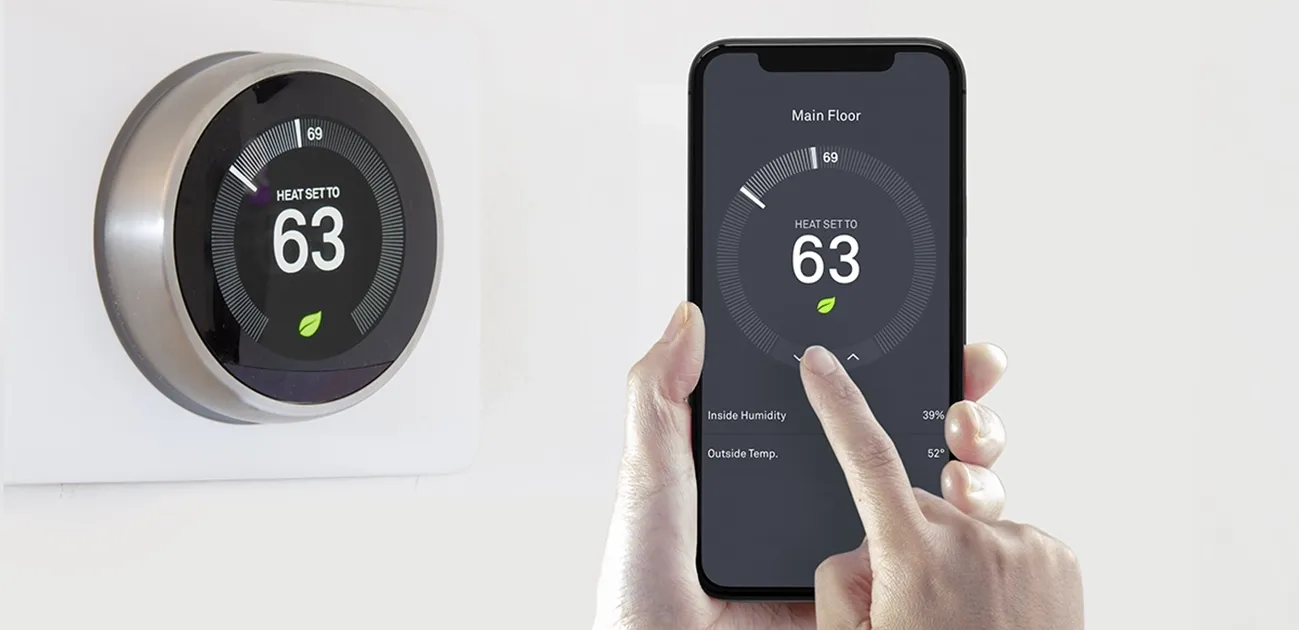
Our homes are changing, and so is the electric grid. Across the country, more households are becoming “smart” and connected. From thermostats that adjust automatically to electric vehicles that charge overnight, the devices we plug in are becoming intelligent, flexible, and increasingly central to how we use and even produce electricity. This growing network of connected devices creates new ways for electric co-ops and their members to work together to keep power reliable and affordable.
What is a Connected Home?
A connected home is one where everyday appliances and devices can communicate with each other, you, or even with your electric co-op. These could include thermostats that adjust to your patterns and preferences, water heaters that operate when electricity is cheaper, home batteries that store solar-generated power for later use, or air-source heat pumps that efficiently heat and cool your home. Each of these tools can help you use energy more efficiently. When they are managed effectively, or when many homes coordinate and balance their energy use together, they can also help your co-op keep power flowing reliably and affordably for the entire community.
Behind the Meter: The Power You Don't See
You might have heard the phrase “behind the meter.” This simply refers to energy equipment that operates on your side of the electric meter that you own or control. This could include solar panels, battery storage systems, or connected devices like EV chargers or smart thermostats. Individually, they may seem small, but together they can make a big difference. If hundreds of water heaters slightly delay heating during a peak time of day when electricity use is high, the co-op can avoid purchasing power at a higher cost, which essentially keeps rates lower for members. If home batteries store solar-generated energy during the day and release it back to the grid at night, it helps balance the overall supply and demand of electricity.
How Connected Devices Help the Grid
Each day, our electric grid must maintain a perfect balance to match the amount of electricity generated with the amount of electricity we are using — all in real time. Because electricity can’t easily be stored at scale, this balancing act is constant and complex. Connected devices give electric co-ops powerful new tools to help manage this complexity. Traditionally, electricity use was simple: Flip a switch and power flows instantly. But today, many devices can shift when and how they use energy, also known as load flexibility. Load flexibility allows you and your co-op to better align energy use during times when electricity is more affordable, without sacrificing comfort or convenience.
The Cooperative Advantage
Electric co-ops are led by the members they serve. That means co-ops can design connected home programs that work for your community where every member benefits from lower peak costs and improved reliability. Together, we can build a grid that’s smarter, more flexible, and ready for the future that’s powered by what’s plugged in. Contact your local electric co-op or visit their website to learn more about programs for connected devices and additional ways you can save energy.
Jennah Denney writes on consumer and cooperative affairs for the National Rural Electric Cooperative Association, the national trade association representing more than 900 local electric cooperatives.